

Sexual Reproductive Health and Rights (SRHR) in German Development Cooperation
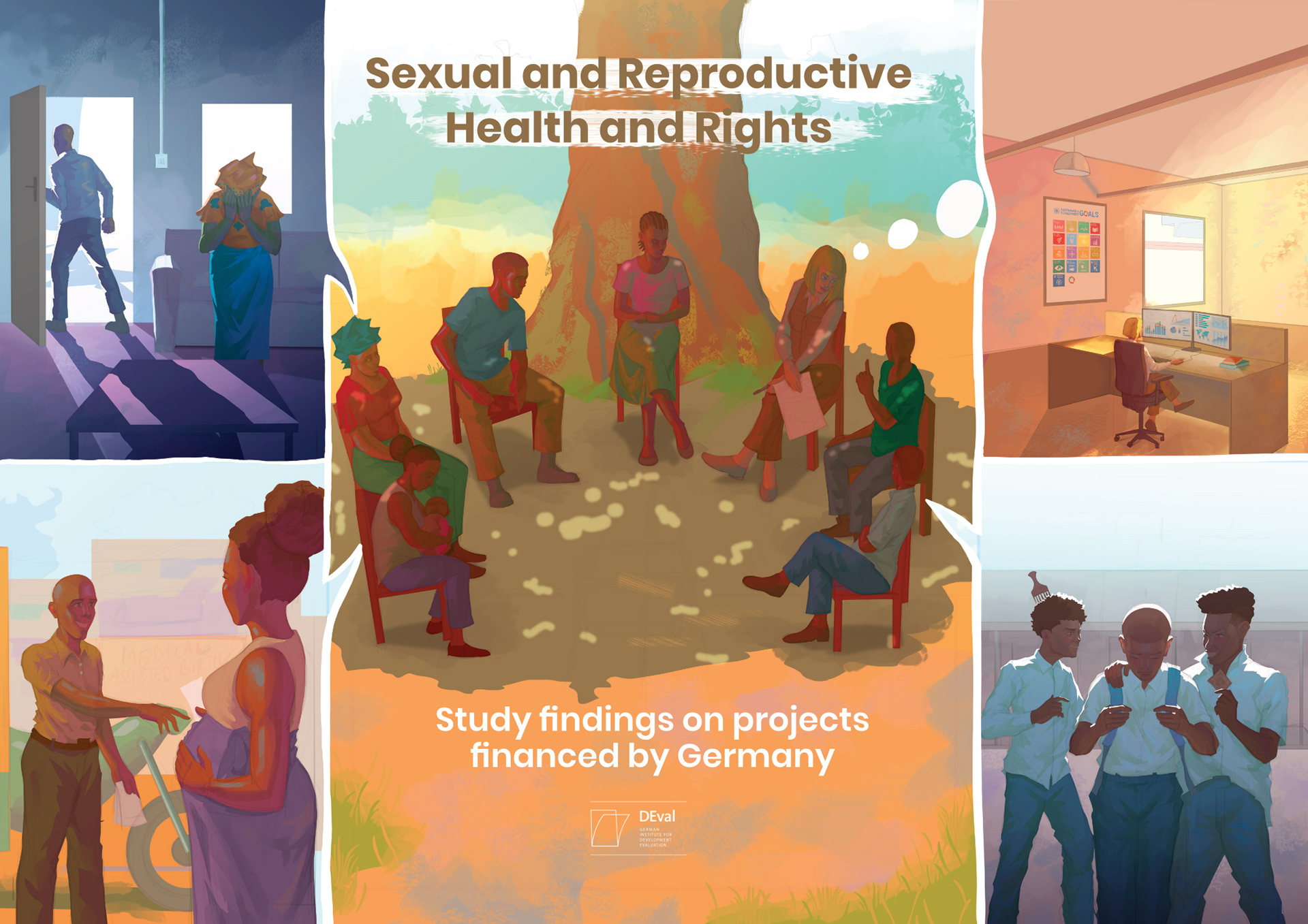
Client: German Institute for Development Evaluation (DEval)
Project: Designing a Graphic Product (One-Page-Zine) Presenting Results of the Evalution for the Population in Partner Countries of German Development Cooperation
Locations: Malawi and Togo
Role: Illustrator and Visual Communication Designer
Deliverables: Illustrated One-Page Zine, Multilingual Adaptations, and Print-Ready Artwork
Languages: English, Chichewa, Tumbuka, French, Kabyè and Kotokoli
The Project
What’s the right way to share the results of a dense development evaluation with the very people whose lives and voices made that research possible?
I was asked by the German Institute for Development Evaluation (DEval) to create an illustrated one-page zine drawn from an evaluation of Germany’s development cooperation on sexual and reproductive health and rights (SRHR).
At the heart of that evaluation were the views of rights-holders in Malawi and Togo, girls and boys, women and men, living in areas where German-backed programmes were running.
So the task wasn’t about dressing the report up or simply making it more readable. It was about taking detailed findings and reshaping them into visuals that could clearly show what was going well, where there were still gaps, and doing all of it in a way that could be understood by regular, everyday people.
Turning Findings into Stories
The evaluation dealt with many high-level concepts that tackled sensitive issues which may sound very abstract to the rural African, but are realities that affect their lives significantly. The challenge was to present this information in story format, because DEval recognized, as do I, that stories are metaphors for life. When done well, they can deliver profound ideas (and truths) in a form that feels familiar and relatable, thereby allowing people to see complex issues not as distant or abstact concepts, but as experiences they recognize from their own lives.
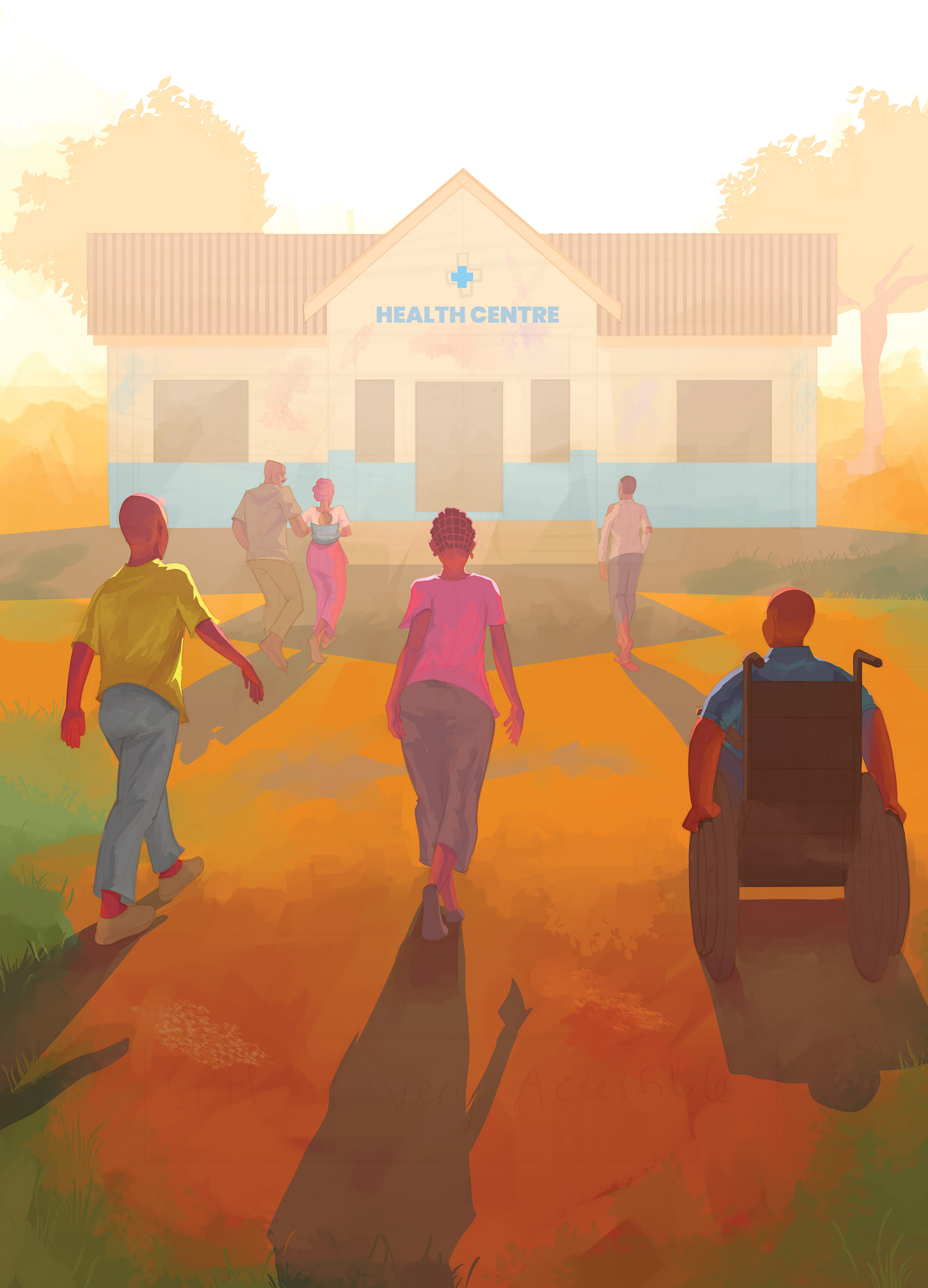
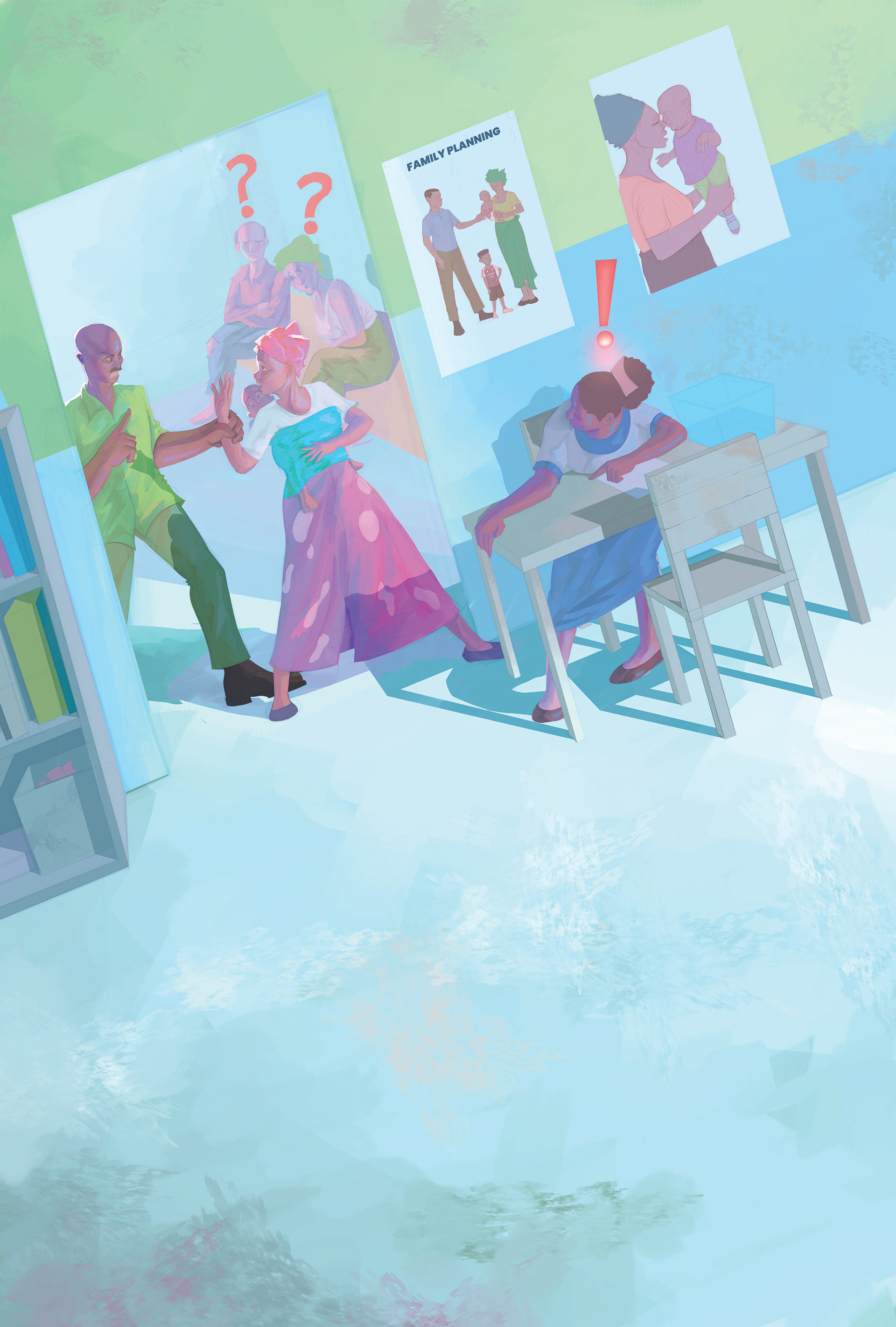
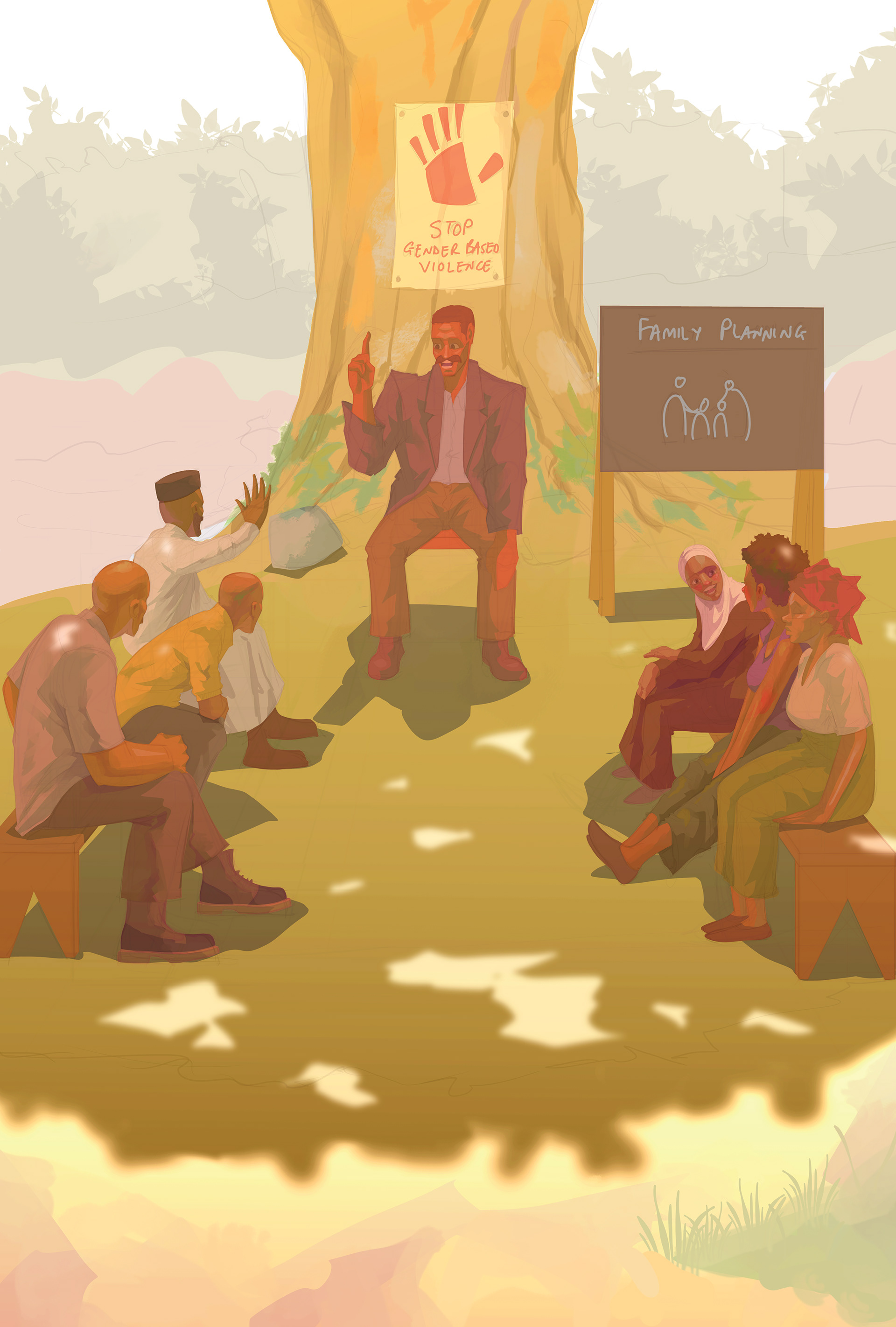
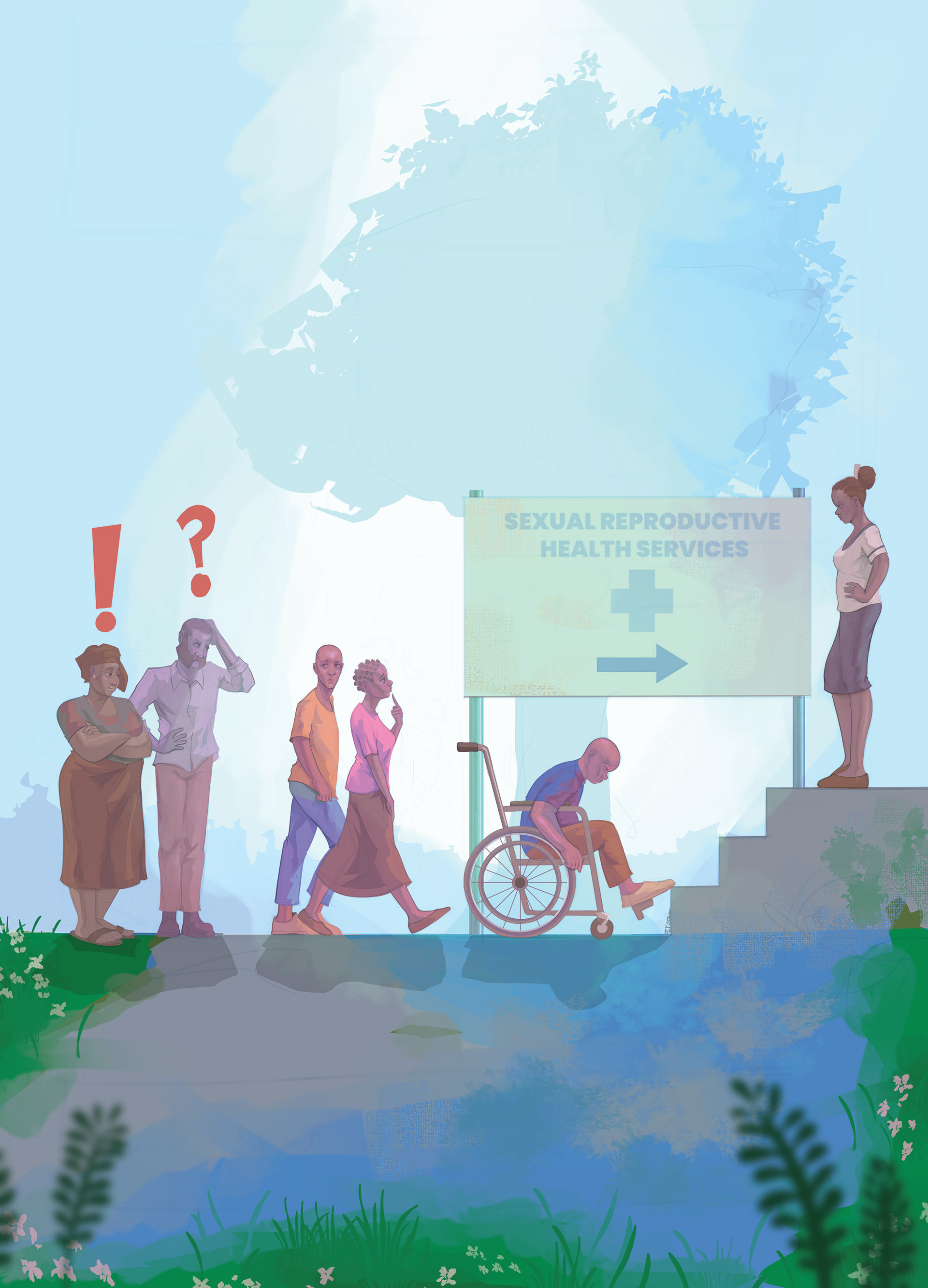
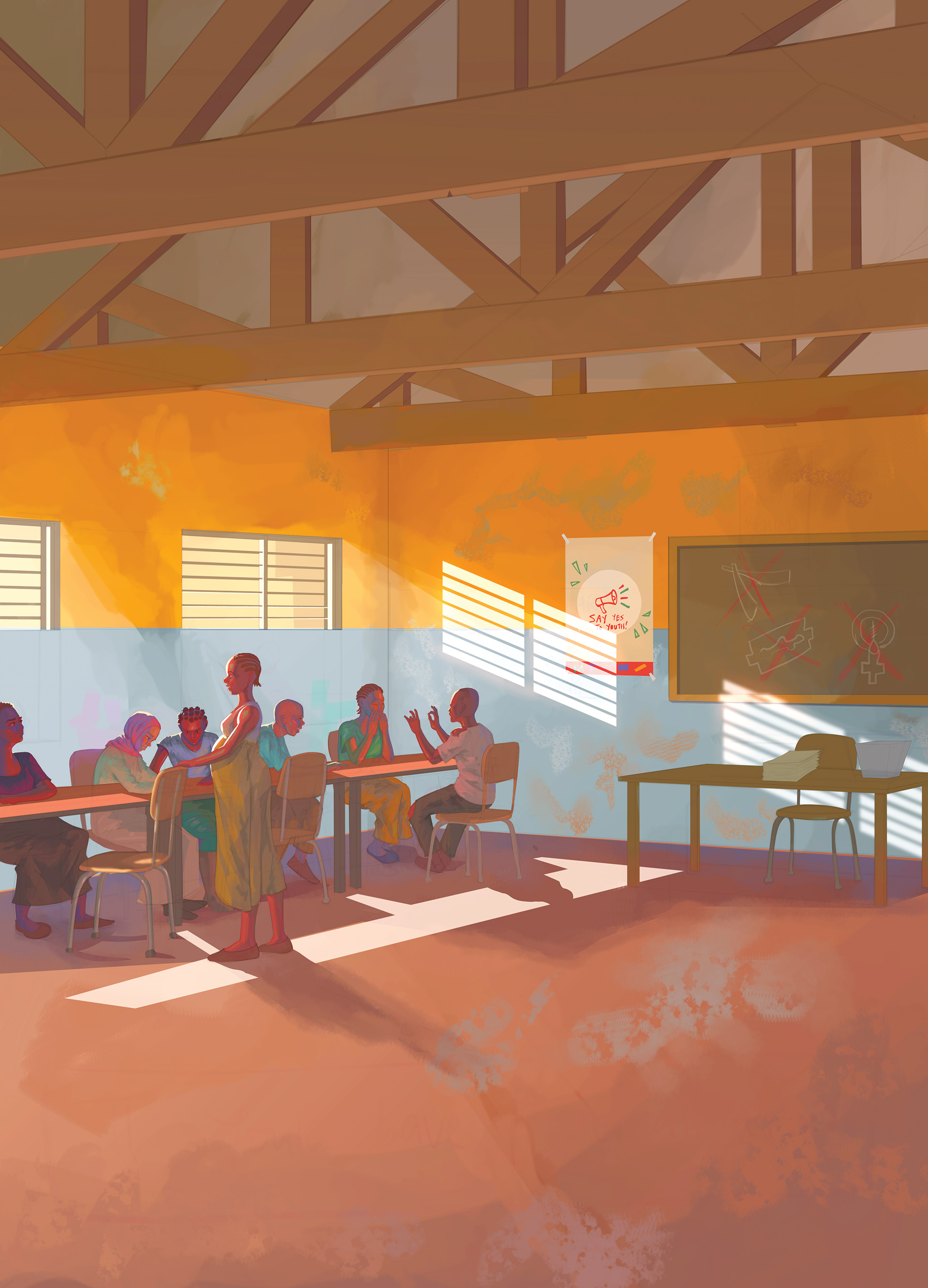
For instance, DEval found that SRHR projects were largely successful at improving access to sexual and reproductive health services, but made less progress on sexual and reproductive rights. Important issues, such as women's self-determination in matters of sex and family life, therefore remained areas where more work was needed.
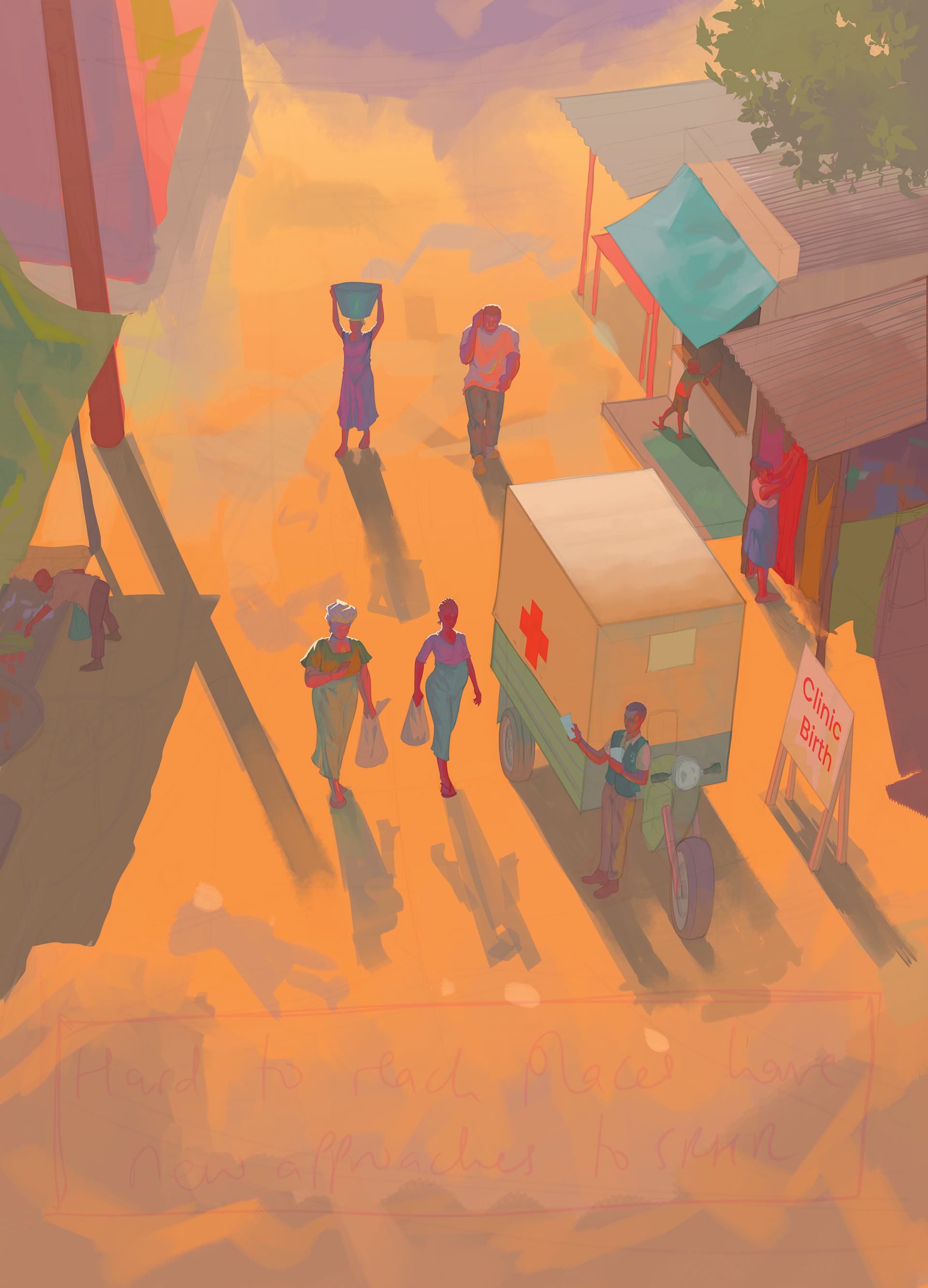
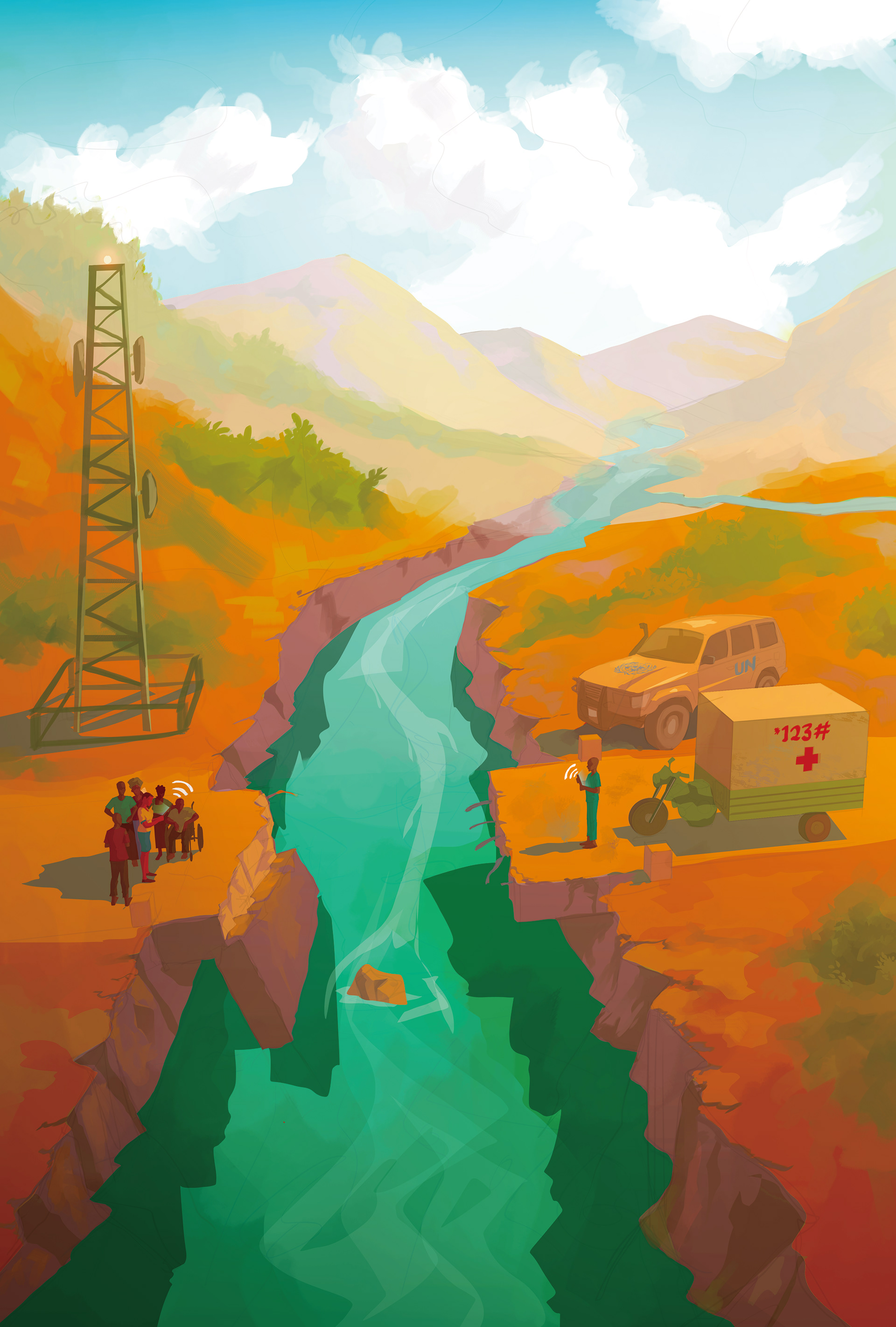
There were also broader questions: How well do these programmes work in places with fewer resources? What happens in fragile settings? What new challenges might affect SRHR work in the future? These questions can be clearly explained in an evaluation report, but communicating them to an ordinary person in a rural community requires a different approach.
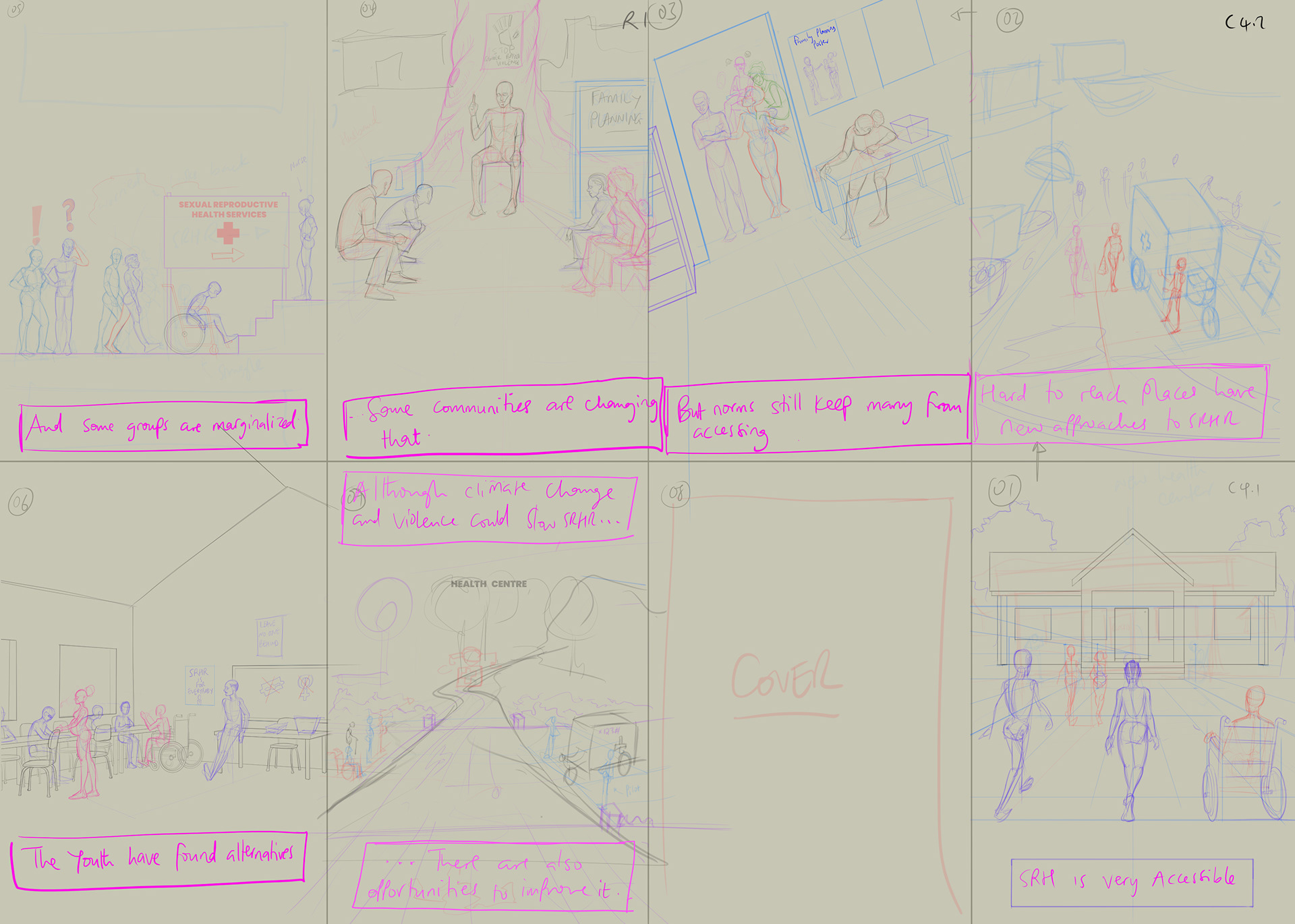
I began writing scenes that could express these ideas through the everyday experiences of the people concerned. I made small thumbnails, trying different ways of turning each finding into a scene. We discussed these over several meetings, refining the strongest ideas and discarding those that didn't work. Gradually, the abstract language of the report began to take on people, places and actions. From this process, a storyline emerged that captured the heart of the evaluation in a form that was clear, human and easy to follow
Developing the Artwork
Once we had settled on the storyline, I sketched out the sequence of the zine, refining the characters' acting and expressions, as well as the overall composition of each scene. My goal was to make the scenes feel grounded in everyday life, much like the experiences described in the interviews, and to make the characters feel like real people rather than figures created simply to communicate a message.
The Finished Zine
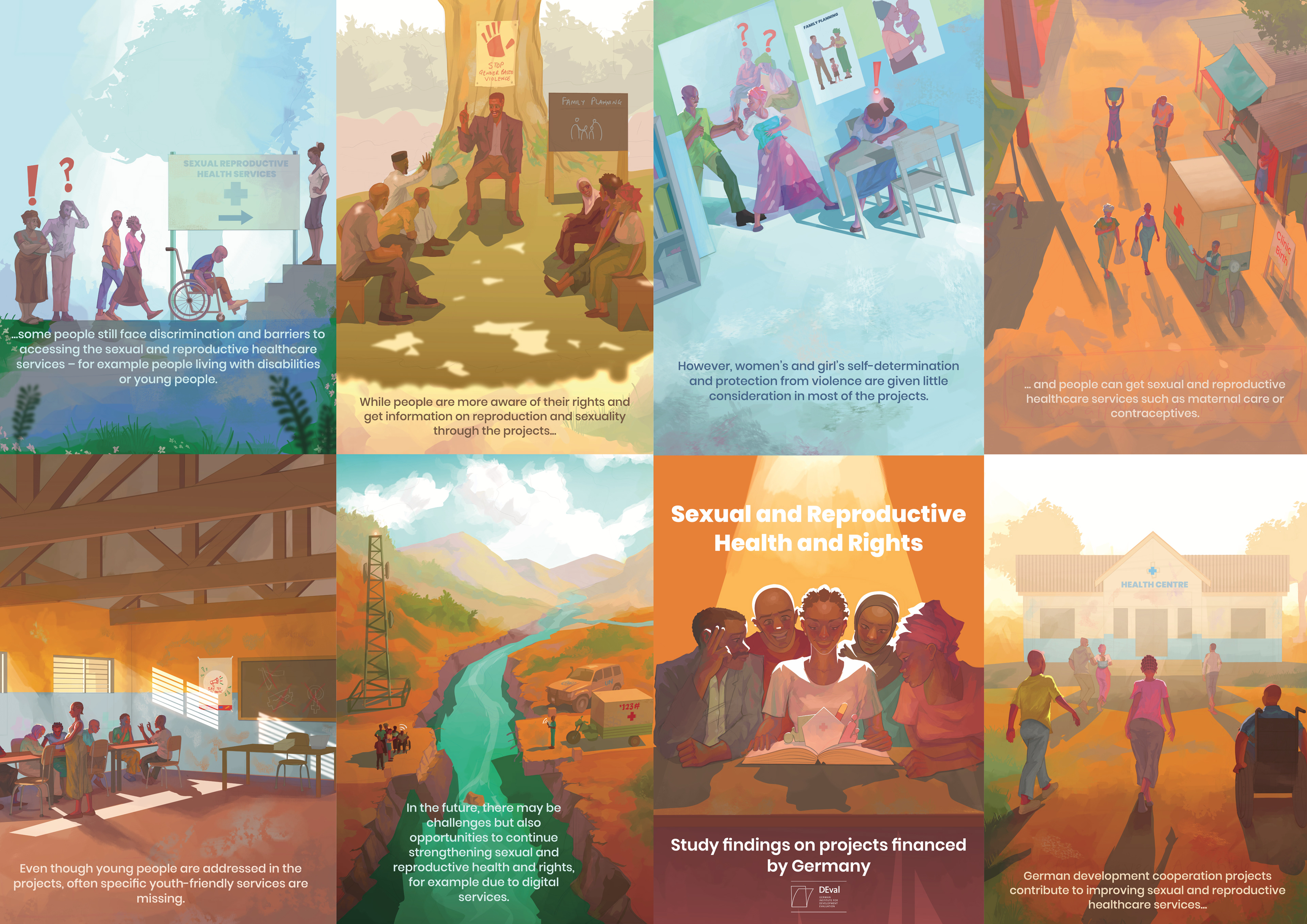
The finished zine was produced in six languages.
For Malawi, we made versions in English, Chichewa and Tumbuka. For Togo, the languages were French, Kabyè and Kotokoli.
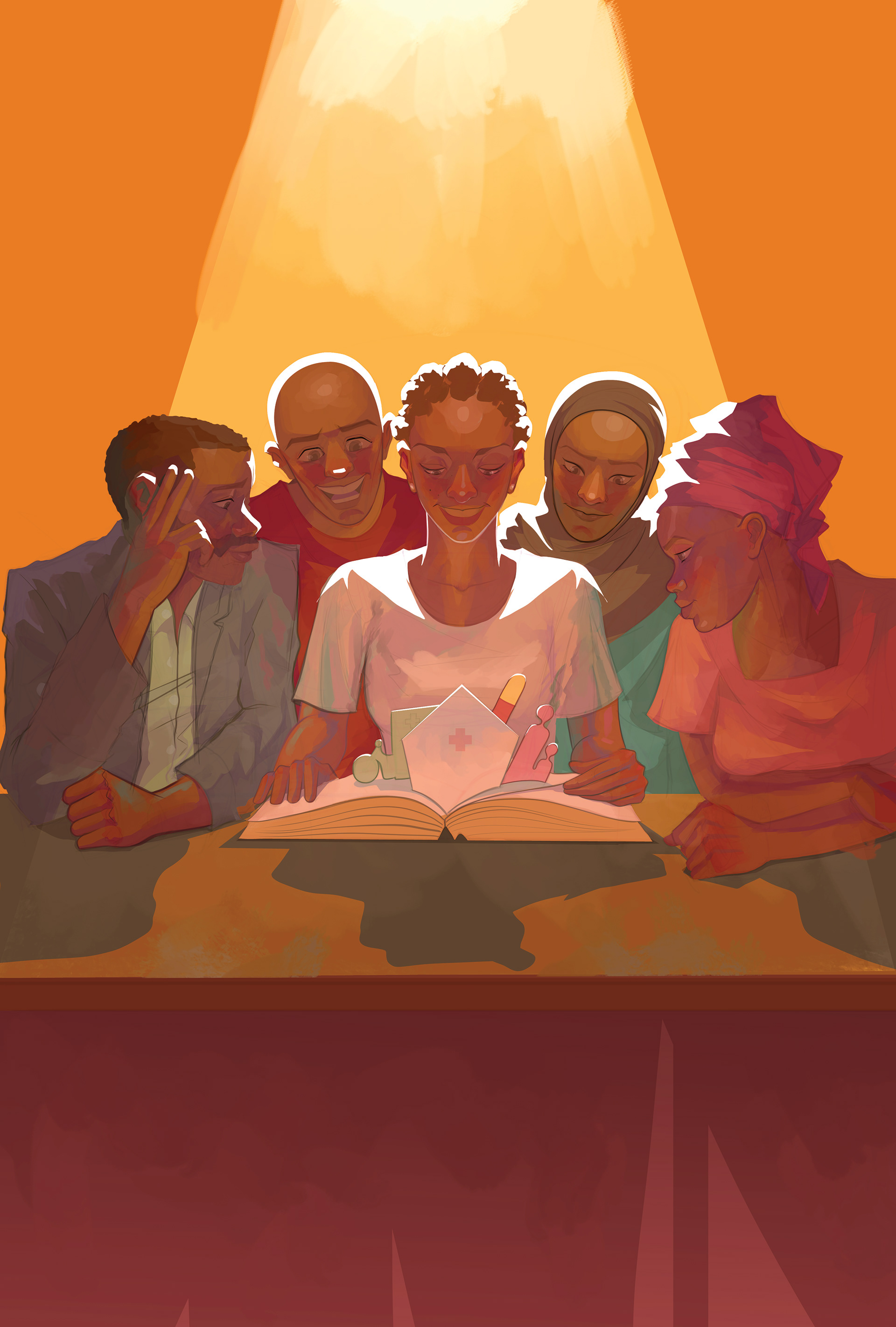
You can read more about this project on DEval's website here.